A journey into the vision, teachings, programs, and service of the Art of Living
Most of us know the feeling. The workday ends, but the mind keeps running. A small disagreement stays with us for hours. We want to feel calmer and more present, but we don’t quite know where to start.
These aren’t new problems. People have searched for inner peace for thousands of years. What has changed is the pace. Life moves faster now, our attention is pulled in a dozen directions, and a quiet moment can be hard to find.
The Art of Living works with these challenges through breathing practices, meditation, yoga, spiritual wisdom and service. Its vision is simple to state: a stress-free mind and a violence-free society. It links two things we often keep apart, the peace inside us and the world we build together.
This article is the first on our blog. Over the coming year, we’ll explore the teachings, practices, research, programs, and service initiatives of the Art of Living, one topic at a time. We’ll start with the basics.
What Is the Art of Living?
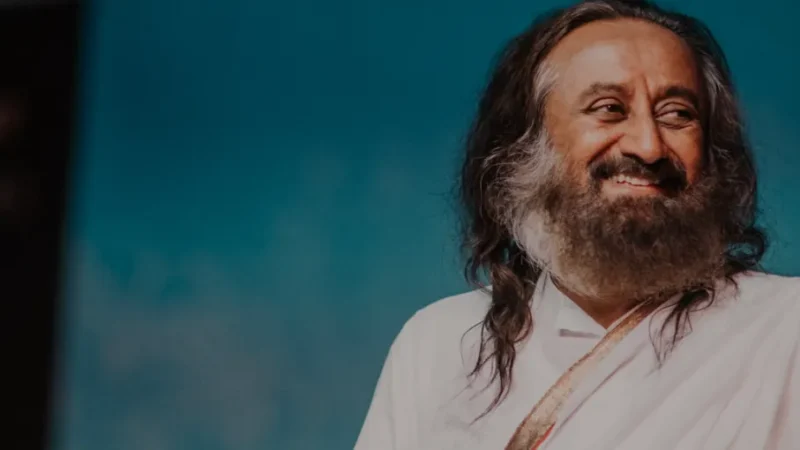
Gurudev Sri Sri Ravi Shankar founded the Art of Living in 1981. It is a non-profit educational and humanitarian organisation working in personal development, well-being and social service.
Its programs teach meditation, breathing techniques, yoga and practical wisdom. Alongside them, it runs initiatives that support communities and encourage people to give back.
People find their way to the Art of Living in different ways. Some take a course or join a meditation session. Some hear about it from a friend whose life changed after learning a breathing practice. Others first meet the organisation through a relief camp, a tree-planting drive or a village project.
Those different doors lead to the same idea: well-being isn’t only about feeling better for a moment. It shows up in how we handle challenges, how we treat others and what we choose to contribute.
Learn more on the official Art of Living website.
The Vision: A Stress-Free Mind and a Violence-Free Society
Stress has become part of ordinary life. Deadlines at work. Responsibilities at home. Young people facing pressure about exams, careers and the future. Phones that keep our attention jumping from one thing to the next.
We can’t avoid all of it. But how we respond makes a real difference.
A restless mind can turn a small argument into a lasting rift. Frustration seeps into the way we speak to people we love. When we’re overwhelmed, we react before we understand what’s really going on.
That’s why inner well-being matters beyond the individual. A calmer, more aware person tends to build better relationships and act more constructively. Meditation alone won’t solve every social problem, and peace in society also needs education, justice, dialogue and opportunity. But inner peace is the part each of us can start working on today.
The Role of Gurudev Sri Sri Ravi Shankar
Gurudev’s teachings bring together spiritual understanding, meditation, practical wisdom and service to others.
A recurring theme in his message is that spirituality belongs in everyday life, not apart from it. It shapes how we handle disagreements, face uncertainty, relate to people who think differently, and use our time and talents.
Growth shows most clearly when life gets hard. Can we pause before reacting in anger? Can we listen without preparing our reply? Nobody manages this perfectly. It’s a lifelong practice.
Through his talks, courses and humanitarian work, Gurudev has brought meditation and breathing practices to people from every background.
Read more on his official profile.
Breath, Meditation and the Art of Becoming Aware
The Art of Living places special emphasis on the link between breath and mind.
We rarely notice our breathing, yet it changes with our state. It quickens when we’re anxious and slows when we’re relaxed. That makes the breath a practical way into the mind: work with one, and you influence the other.
Breathing practices use this connection in a structured way. Meditation then gives the mind a chance to settle and observe.
Neither is about forcing the mind to go blank. Thoughts will come, emotions will shift, and life will keep bringing ups and downs. The practice changes our relationship with all of it, so we’re aware of what’s happening instead of being swept along.
Understanding Sudarshan Kriya
Sudarshan Kriya is the best-known breathing technique taught in Art of Living programmes. It follows a specific rhythmic method and is learned from a trained teacher. It’s quite different from general deep breathing, so research on one shouldn’t be assumed to apply to the other.
Sudarshan Kriya has been the subject of independent studies on stress, anxiety, mood and sleep. We’ll look at this research in detail in upcoming articles, including what it shows and where questions remain. Meanwhile, you can explore Art of Living’s Research on Sudarshan Kriya Section from the Official Website.
Ancient Wisdom in Modern Life
Spiritual wisdom can sound abstract until we apply it to an ordinary day.
Take an argument at home. The instinct is to defend ourselves or win the point, and sometimes we say things we regret. A moment of awareness can create just enough space to respond differently.
Or take a draining day at work. We can’t always remove the pressure, but we can notice when our attention is scattered, take a breath and approach the next task with a clearer head.
These are small moments. But daily life is mostly made of small moments.
The Art of Living draws on spiritual teachings and practical exercises to cultivate awareness, balance, responsibility and compassion. Ancient wisdom earns its place when it helps us live better today, and modern science helps us test and understand it. We see the two as partners.
Beyond Personal Well-Being: The Importance of Seva
Seva is the Sanskrit word for selfless service. In the Art of Living, it’s how human values turn into action.
Seva takes many forms: volunteering time, helping a neighbour, teaching a child, planting trees, or lending professional skills to a community project. It doesn’t have to be big. Often it starts with noticing a need and doing something about it.
The Art of Living and its associated initiatives work in rural development, education, environmental sustainability, disaster relief, and community well-being.
Seva shows how personal growth extends into collective responsibility. It also leaves each of us with a simple question: how can what we’ve gained inside become useful to someone else?
Exploring the Art of Living Programs
People come to the Art of Living for different reasons. Some want a regular meditation practice. Some are curious about breathing techniques or yoga. Some are looking for deeper spiritual learning, and some want to volunteer.
There are programs for each format; eligibility and fees vary, so read the official course details and ask questions before you sign up.
There’s no rush. A practice sticks when you understand why you’re doing it.
The official Art of Living website is the best place to start.
Looking at Research with an Open Mind
Meditation, yoga, and breathing practices are now studied by researchers around the world, with work on stress, mood, attention, sleep, and more.
When you come across a study, look past the headline. What exactly was practiced? How many people took part? Was there a comparison group? What limitations did the researchers mention?
We’ll apply the same standard to research on Art of Living practices: present findings accurately, link to the original studies, and be clear about what is still uncertain.
Why This Blog, and Why Now?
Search online for the Art of Living and you’ll find short summaries, personal opinions and claims without much context. We want to offer something better: a clear, well-organised resource you can return to.
Here’s what’s coming:
- Meditation and breathing practices, explained
- Spiritual concepts applied to everyday life
- Research findings, presented carefully
- Youth development and well-being
- Stories from service projects
Where evidence exists, we’ll share it. Where a topic needs nuance, we’ll give it room. Where you need official program details, we’ll point you to the right source.
Whether you’re new to the Art of Living, have taken a course, or have been part of this community for years, we hope you’ll find something here that helps.
Welcome to the Art of Living Blog. Here’s to a year of learning, reflection, and discovery.
Leave a Reply